

Smoking in Pregnancy Advice
Smoking prevalence at time of delivery has continued to decrease across England including Knowsley. In 2021 in Knowsley, it was 11.8%, this has decreased to 5.9% in Q1 of 2025/2026. However, this is still above both England (4.7%) and Cheshire and Merseyside ICB (5.4%) average.
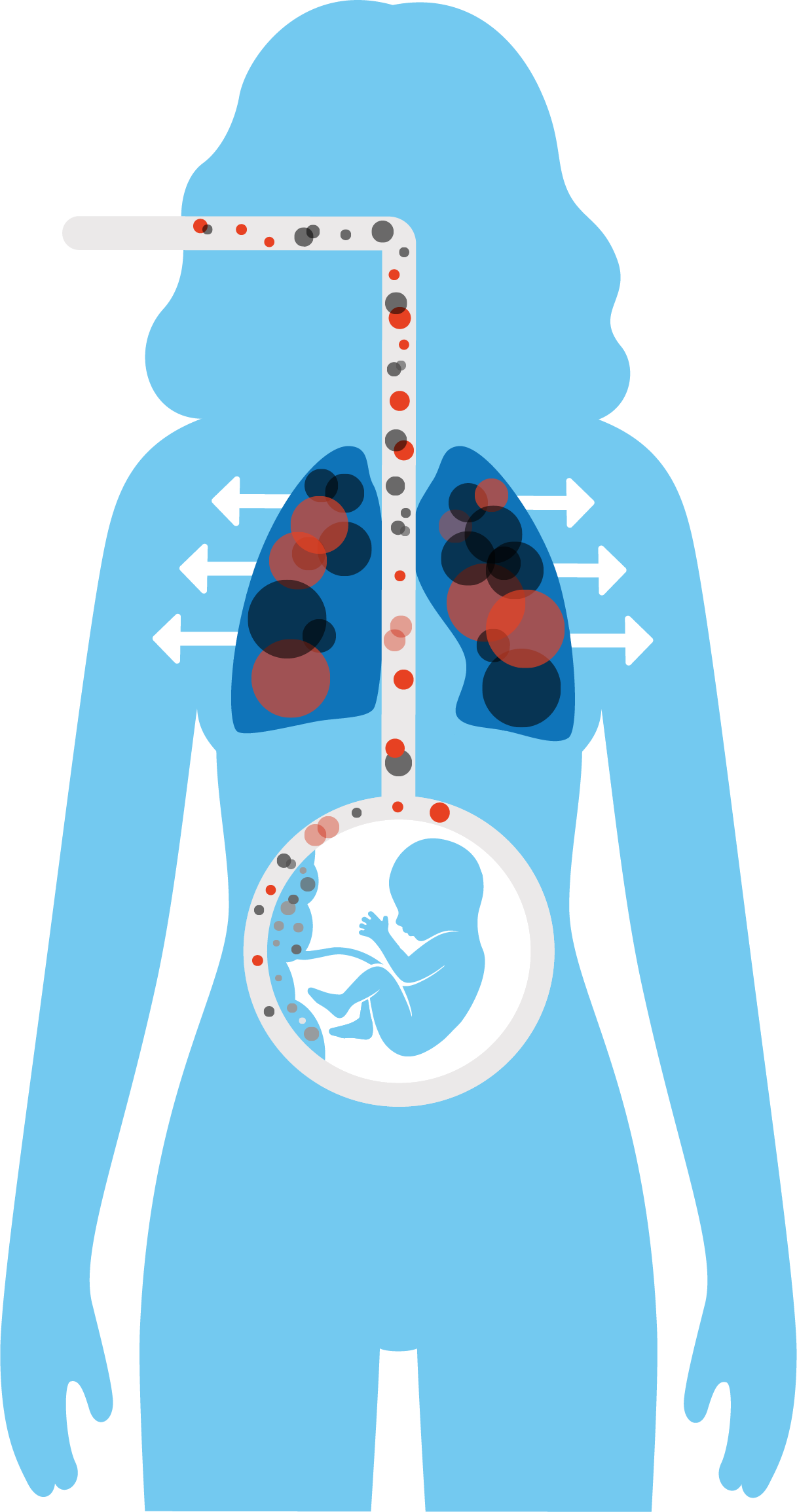
For many women, falling pregnant will be the trigger to help them quit smoking completely. For others it’s not so easy - the reality is that it can be even more difficult for a pregnant woman to stop smoking as her cravings may be worse - this is where we need your help. Every woman who is pregnant and smoking should be offer stop smoking support within their maternity service.
Impact of smoking during pregnancy
Smoking during pregnancy and inhaling second-hand smoke during pregnancy have increased risk of the following.
Maternal smoking |
Second-hand smoke exposure |
|
|
Low birth weight |
2 times more likely |
Average 30-40g lighter |
|
Heart Defects |
25% more likely |
Increased risk |
|
Still birth |
47% more likely |
Possible increase |
|
Preterm birth |
27% more likely |
Possible increase |
|
Miscarriage |
32% more likely |
Increased risk |
|
Sudden Infant Death |
3 time more likely |
45% more likely |
Saving babies lives version 3
According to saving babies lives, CO testing should be offered to all pregnant women at the antenatal booking and 36-week antenatal appointment. Then CO testing should be offered at all other antenatal appointments to groups identified within NICE guidance. There should then be an opt out referral for those that have an elevated CO (4ppm or above) or who identify themselves as a smoker or have quit in the last two weeks. They will then be referred to a trained tobacco dependence advisor within an in-house tobacco dependence treatment service.
Carbon Monoxide Testing
Carbon Monoxide is a very important and motivational tool when encouraging a pregnant woman to stop smoking. Every pregnant client should be tested for Carbon Monoxide throughout their pregnancy even if they state they smoke. If a Carbon Monoxide reading of 4ppm or above is given, concerns should be raised with the pregnant woman, and a brief intervention should be given:
- Inform of the risks
- Explain how they can be supported
- Refer to inhouse service
E-Cigarettes during pregnancy
E-Cigarettes are becoming increasingly popular with people who are trying to stop smoking, and it has been estimated that vaping poses a small fraction of the risk of smoking
E-cigarettes don't burn tobacco and do not produce tar or carbon monoxide, which can cause serious harm to an unborn baby.
Nice guidance states “Nicotine replacement therapy (NRT) should be considered along with behavioural support at the earliest opportunity in pregnancy. Pregnant females should be advised that compared to smoking tobacco, using NRT has much lower risks and is less addictive because of the much lower amount of nicotine in NRT and the way these products deliver nicotine. NRT may be continued after pregnancy, if needed, to prevent a relapse to smoking.”
While licensed NRT products such as nicotine patches, gum and inhalators are the recommended option, vapes appear to be more effective for smoking cessation during pregnancy. If a pregnant woman chooses to vape and if that helps her to quit smoking and stay smokefree, she should be supported to do so.
Referral Information
Stop smoking support in provided by in-house maternity tobacco advisors. Please contact the hospital for referrals.
If you have a pregnant patient with you and would like to speak to someone, please feel free to contact us for support or advice on 0151 426 7462
Useful Links
Vaping before, during and after pregnancy for professionals - Ash.org.uk Challenge Group vaping in pregnancy briefing
Vaping before, during and after pregnancy for pregnancy women and families - Vaping infographic